
Lighting choices in advertising food photography
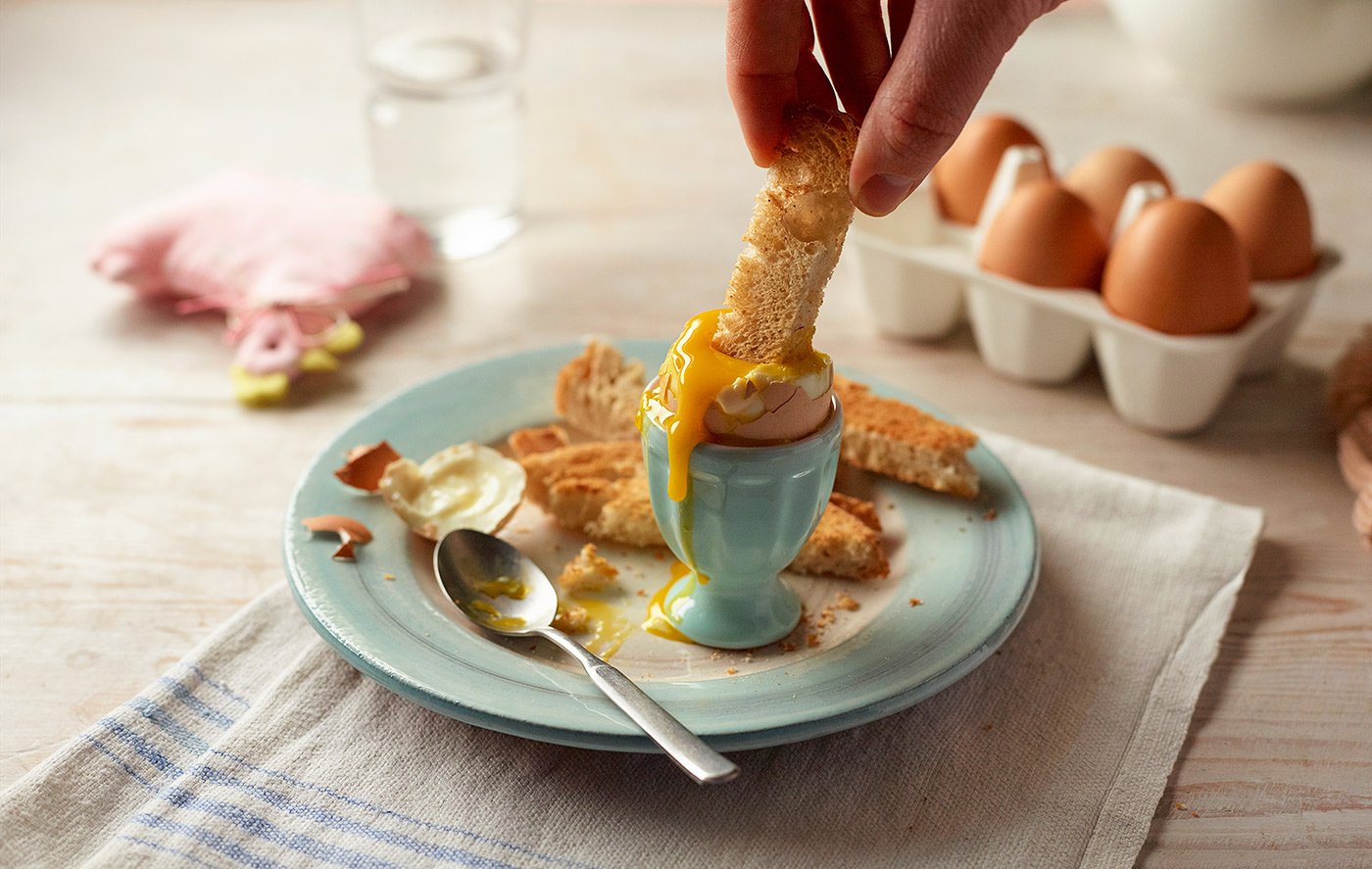
Lighting is one of the most important decisions on any food shoot.
It shapes mood, colour, texture and pace, and it affects how smoothly a production runs just as much as how the final images look.
In commercial food photography and advertising food shoots, there’s rarely a single “right” way to light something. The choice is always led by the brief, the output and how the images will be used.
My role as a food photographer is to choose the lighting approach that best serves the food, the brand and the story we’re telling.
✨ Working with daylight
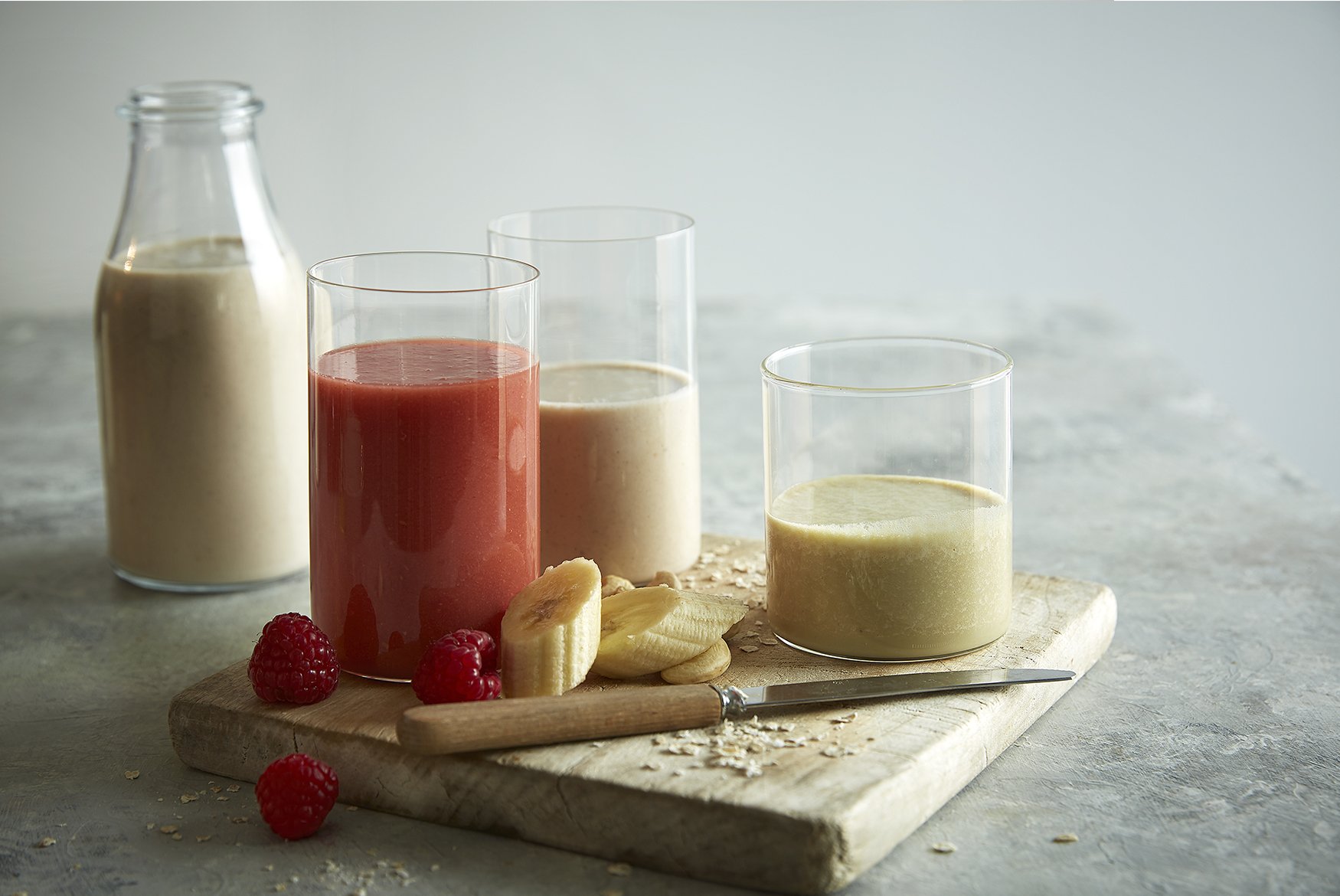
I often start by thinking in terms of daylight. Natural light has a softness and honesty that’s hard to replicate. It reveals texture gently, allows colour to sit naturally and gives food a sense of realism that audiences instinctively trust.
When I shoot with daylight, it’s usually shaped and controlled. Soft, directional light, often from a north-facing window, diffused and balanced carefully with fill or negative space. Small adjustments can make a big difference. A lifted shadow, a little contrast, a slower fall-off.
Daylight-led lighting works beautifully for stills, especially when the brief calls for something calm, tactile and natural. It’s a look many brands and art buyers respond to because it feels authentic rather than overworked.

Daylight-led doesn’t mean daylight only
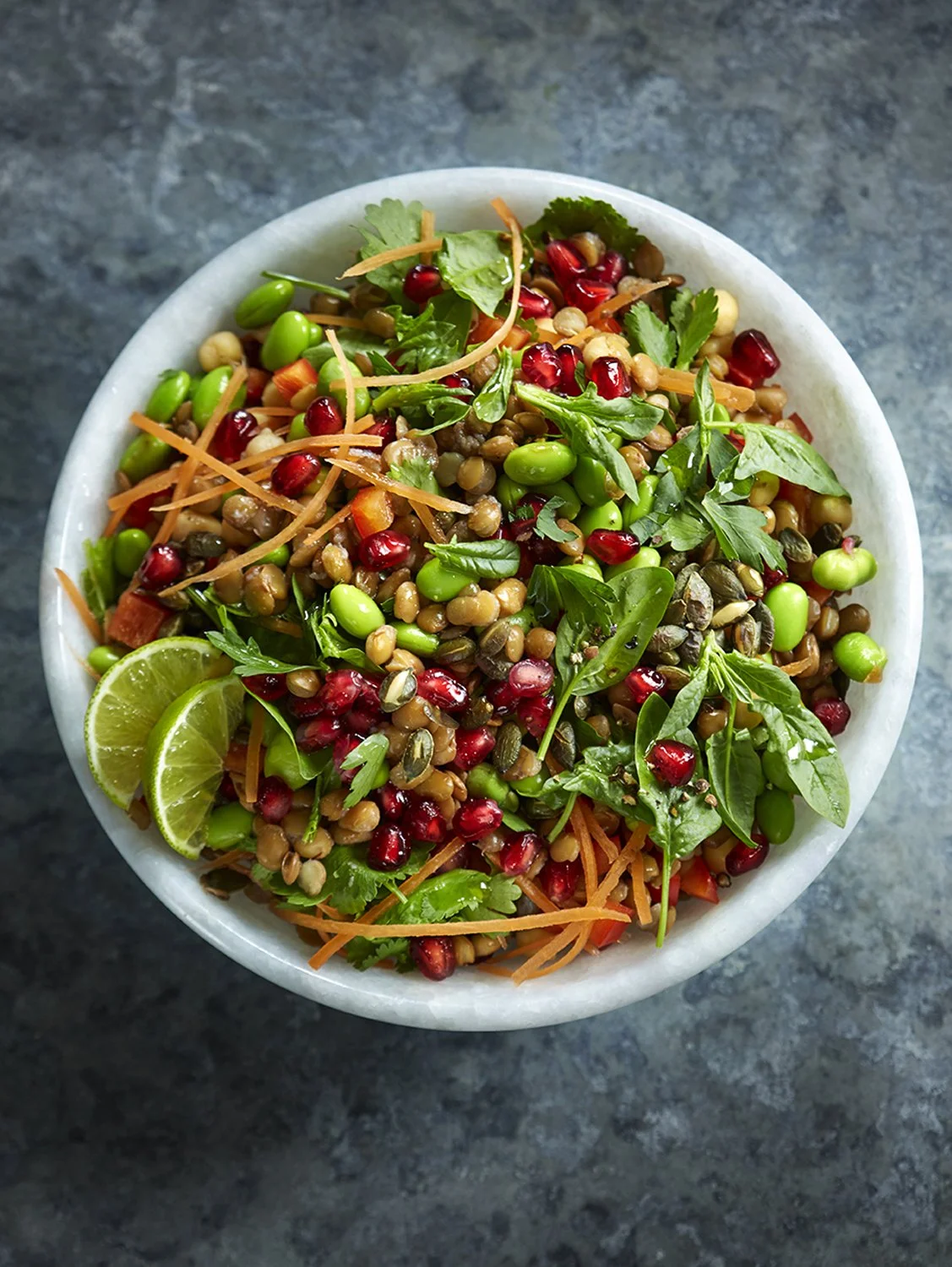
That said, a large amount of my advertising work is shot using flash or continuous studio lighting. Commercial shoots often demand a level of control and consistency that daylight alone can’t always offer.
I’m very comfortable moving between natural light and studio setups, and I often combine approaches to achieve a daylight feel with far greater reliability. Continuous sources such as Kino Flo are a favourite. When shaped well, they can look incredibly close to natural light. Soft, directional and flattering, with beautiful colour rendition and very gentle transitions between highlight and shadow. They also allow for a calm, considered way of working on set, which is particularly valuable on larger productions with multiple formats & uses involved.
Make it stand out
Why flash is essential for advertising work
For advertising shoots, I use flash a great deal. In many cases, it’s simply the most practical and effective tool for the job.
Flash allows for precise lighting control, greater depth of field, and the ability to freeze motion cleanly. This is crucial when capturing pours, splashes, falling ingredients or moments of interaction that need to be repeated consistently across multiple frames. It also supports clean, sharp imagery where detail matters and where assets may be used across a wide range of formats.
I also don’t tend to shoot daylight for animation. For stop-frame and moving image work, consistency is everything. Daylight shifts constantly, even when it appears stable. Flash or controlled continuous lighting provides a constant, repeatable light source, which is essential when shooting frame by frame or over extended periods. It ensures animations feel seamless and technically robust, without unwanted changes in exposure or colour.
On larger commercial productions, this level of reliability makes a real difference. It supports tighter schedules, keeps teams moving efficiently, and ensures consistency across campaigns, platforms and deliverables.
Used thoughtfully, flash can still feel soft, natural and restrained, while offering the precision advertising work demands.
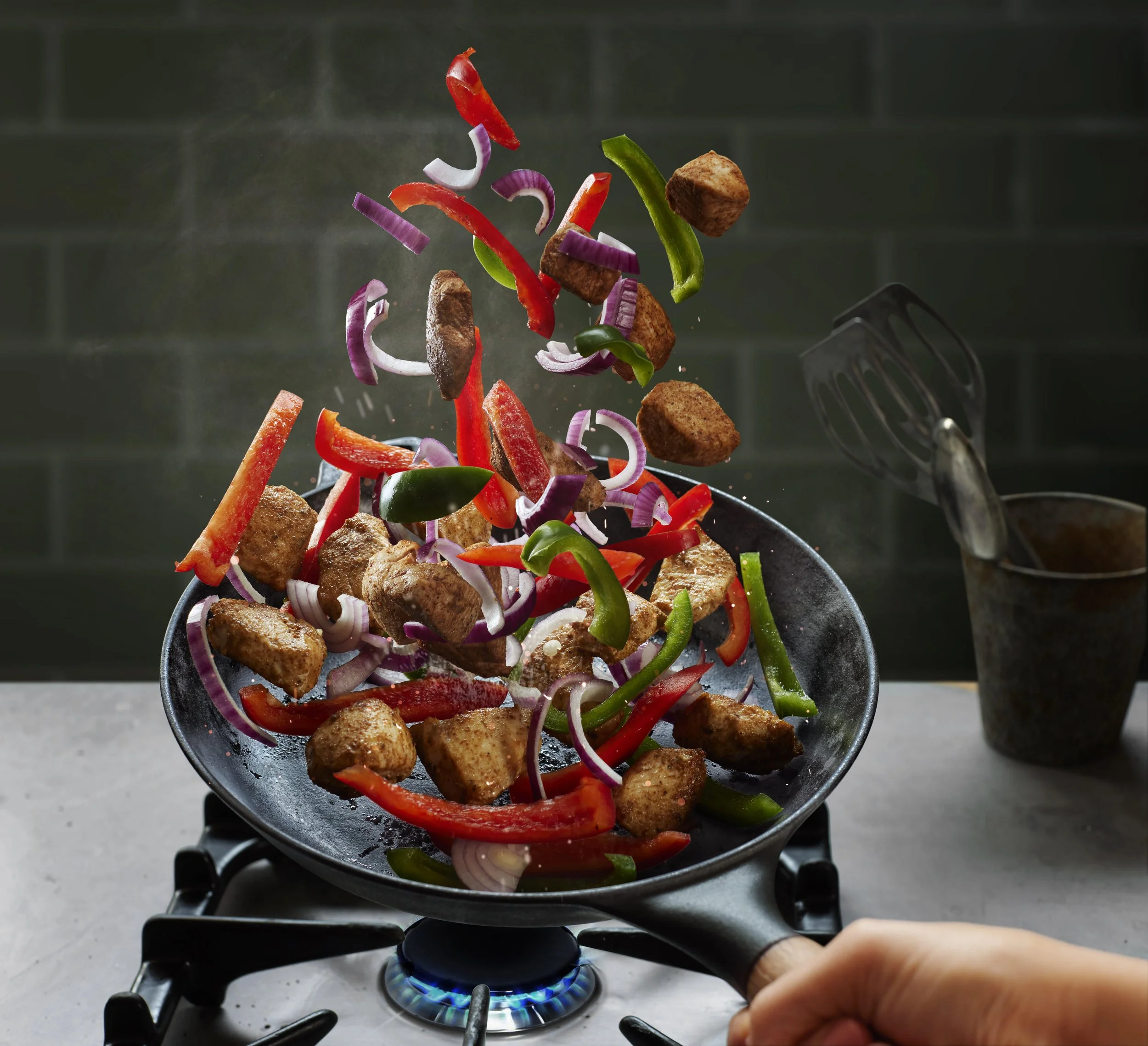
Human presence and light
Lighting choices also play a big role when people are involved. Hands, gestures and subtle moments of interaction bring warmth and life to food imagery, but they need to be lit carefully so they feel natural and unforced.
Whether it’s daylight, flash or continuous light, I shape lighting to support human presence without overpowering it. These details help food feel lived-in rather than staged, which is something art buyers often look for in advertising imagery.
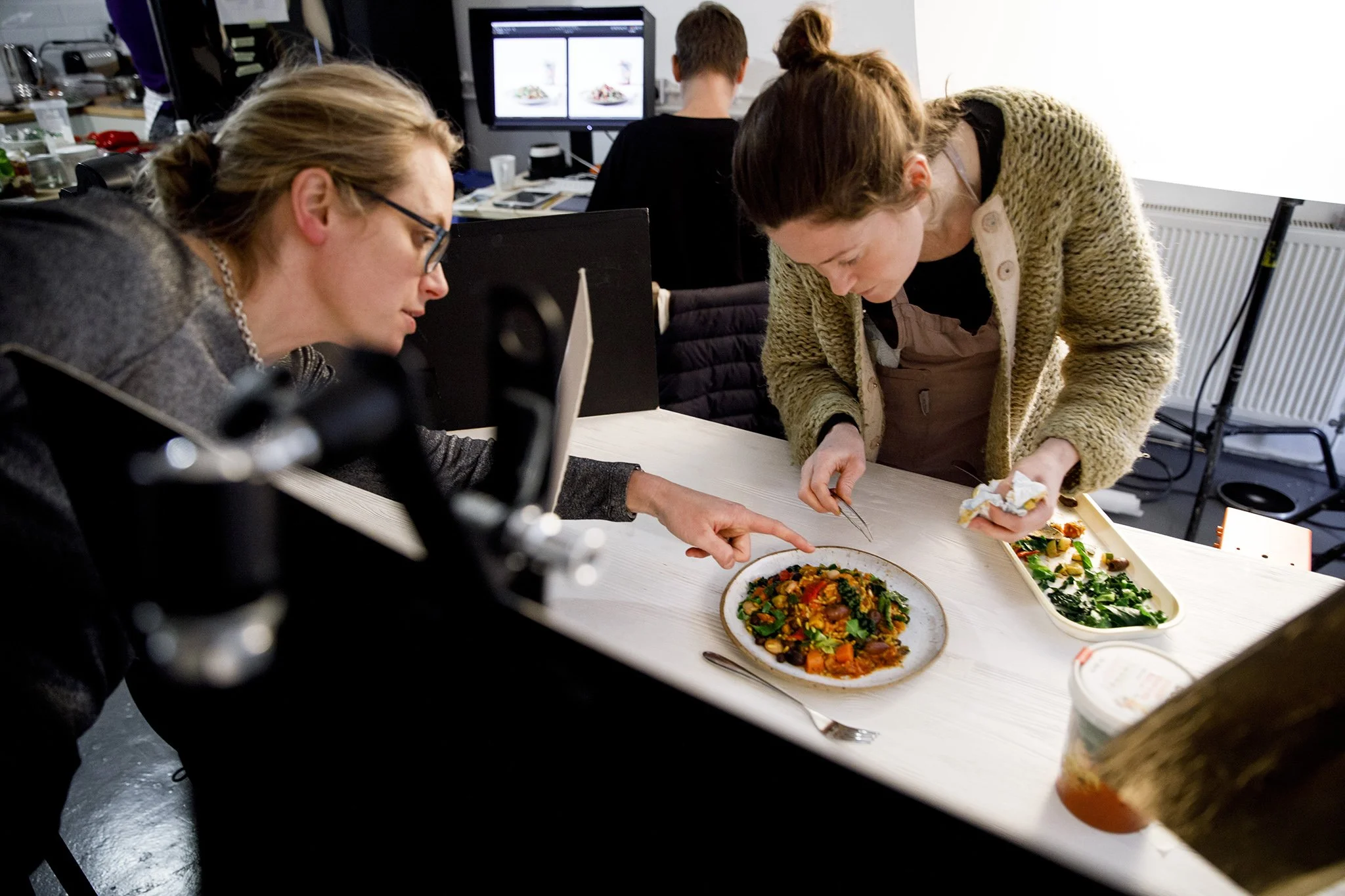
Many of the images shown here were created using carefully planned lighting setups, chosen to suit the brief rather than to overcomplicate the process.
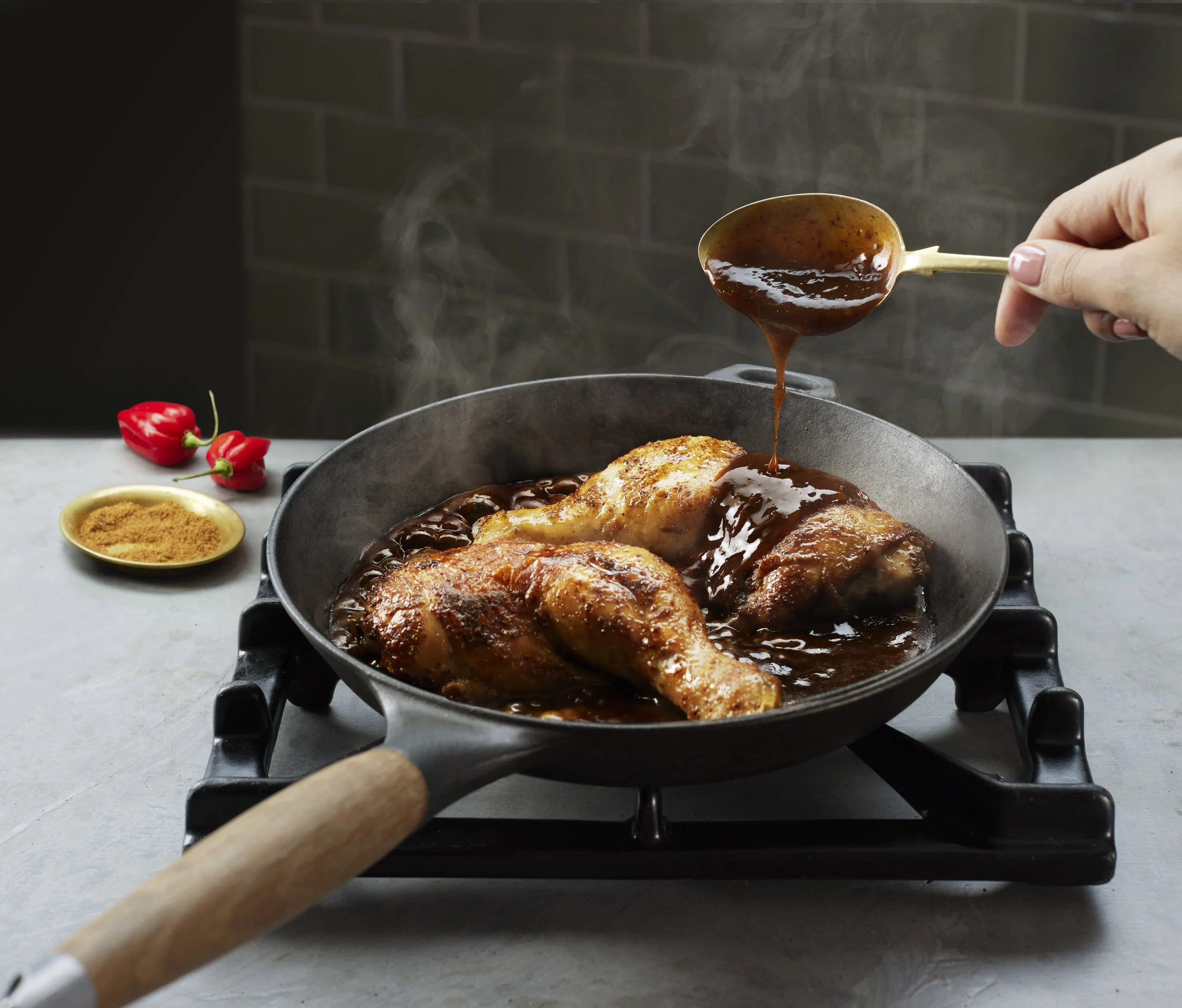
Lighting in commercial food photography
Lighting is never about showing off technique. It’s about choosing the right tools to support the brief. Sometimes that’s daylight. Sometimes it’s flash. Sometimes it’s continuous light. Often it’s a combination.
I work closely with art buyers, creative directors and producers to make those decisions early, so lighting supports the creative direction, the schedule and the final use of the imagery across advertising, packaging, social and digital platforms.
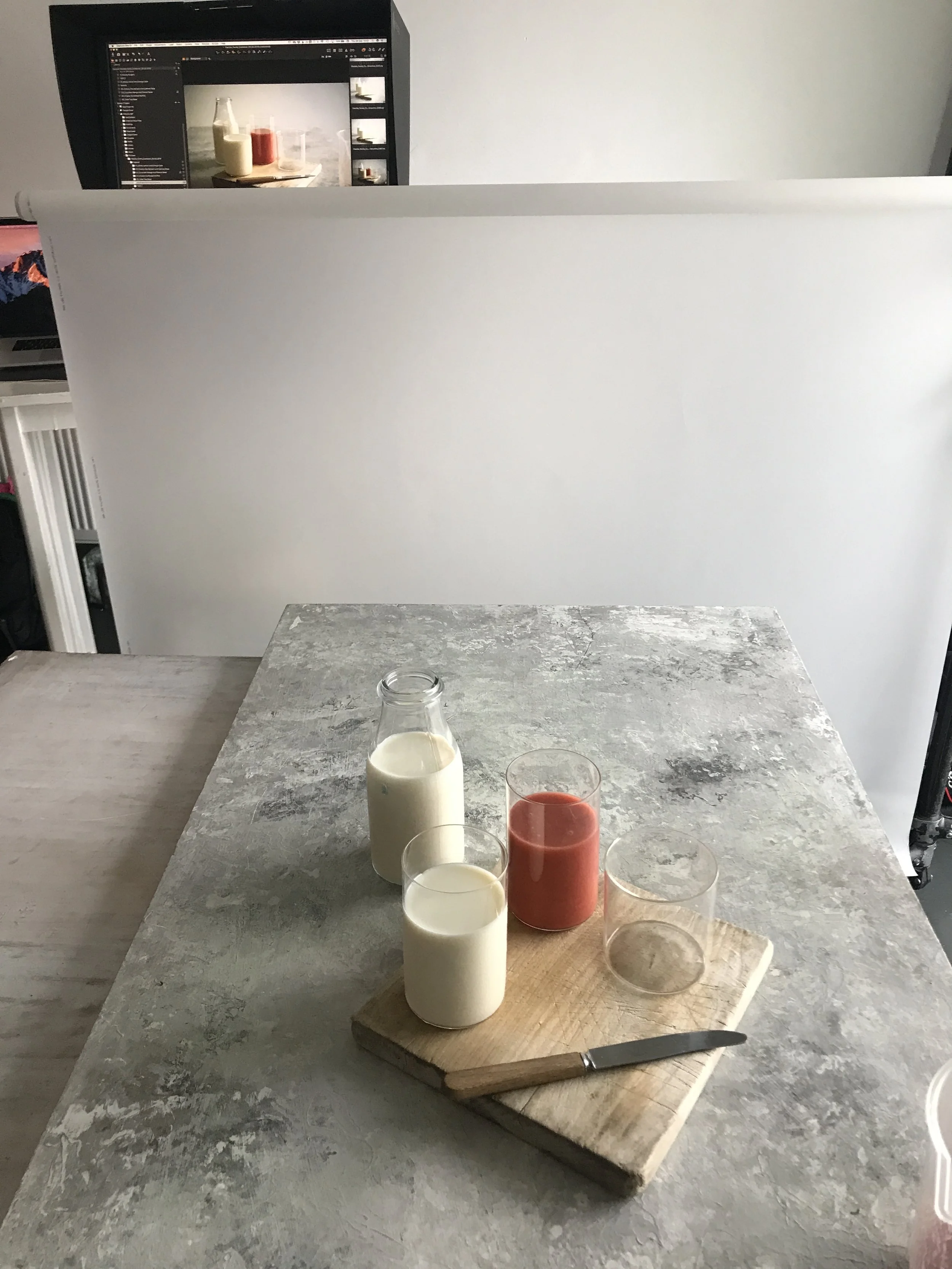
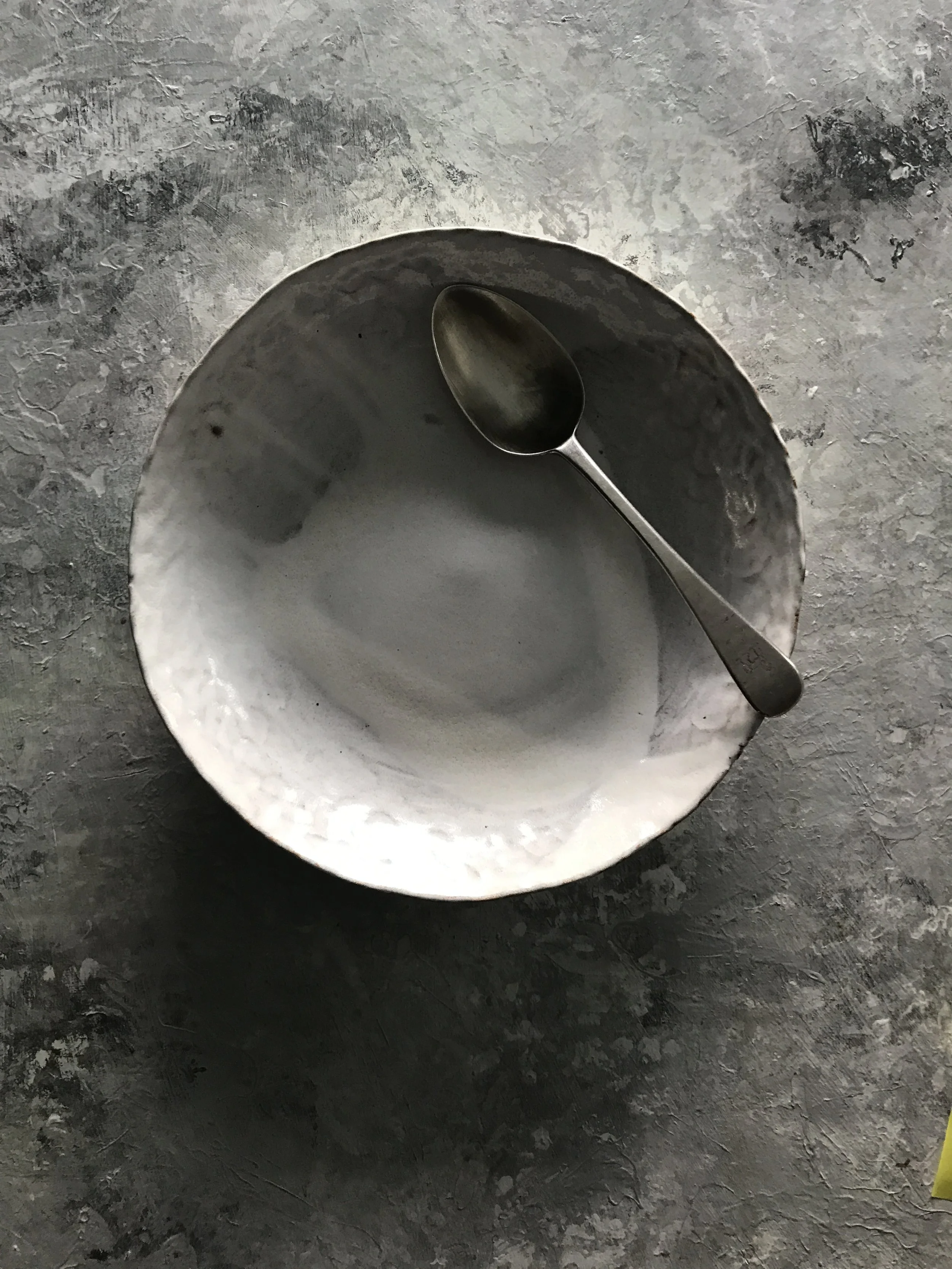
This was lit using a simple diffusion setup to gently bounce light back into the glass, with side light and a very soft back light to add shape.
Small changes can completely shift the mood of an image. Props from China and Co in Acton.
Working together
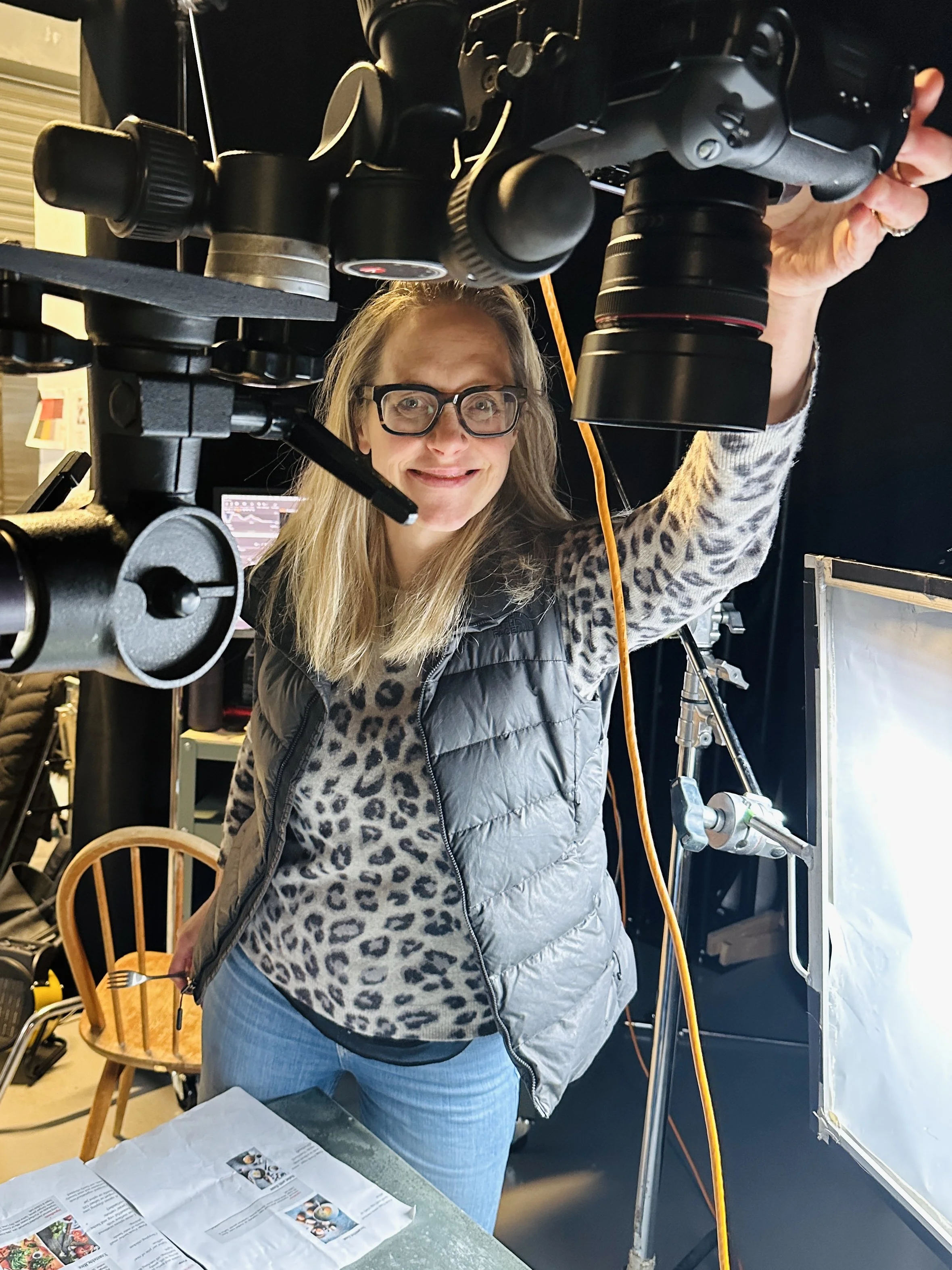
I’m Malou, a London-based food photographer and tabletop director specialising in food and drink advertising. I work on large advertising productions as well as more intimate shoots, always with a focus on a great team and nailing the brief~
If you’re an art buyer or producer planning a campaign and would like to talk through lighting, approach or production, I’d love to hear from you.
Malou x
Get in touch: malouburger@gmail.com/ 07809 404998 Instagram: @malouburgerphoto LinkedIn: malouburger